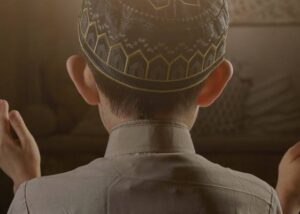


Is Dhikr in unison permitted? Meaning a group of people praising Allah (Most High) together, trying to synchronise their voices.
Quran
Hadith
Islamic Text
بِسْمِ اللَّهِ الرَّحْمَنِ الرَّحِيمِ
In the Name of Allah Most Merciful Most Kind
Short Answer
Dhikr in unison is differed over amongst the scholars of Ahl al-Sunnah. So, people who take the cautious approach and avoid it deserve respect. However, it is incorrect for them to unequivocally condemn the practice without recognising the valid difference of opinion within the Sunni tradition.
Explanation
أَنَّ ابْنَ عَبَّاسٍ رَضِيَ اللَّهُ عَنْهُمَا، أَخْبَرَهُ: أَنَّ رَفْعَ الصَّوْتِ، بِالذِّكْرِ حِينَ يَنْصَرِفُ النَّاسُ مِنَ المَكْتُوبَةِ كَانَ عَلَى عَهْدِ النَّبِيِّ صَلَّى اللهُ عَلَيْهِ وَسَلَّمَ وَقَالَ ابْنُ عَبَّاسٍ: كُنْتُ أَعْلَمُ إِذَا انْصَرَفُوا بِذَلِكَ إِذَا سَمِعْتُهُ
Ibn Abbas said: In the lifetime of the Prophet ﷺ it was the custom to make Dhikr aloud when people left the compulsory prayers. Ibn Abbas further said: When I heard the Dhikr, I would learn that the compulsory congregational prayer had ended. (Sahih al-Bukhari, 841)
Numerous Imams of Ahl al-Sunnah have cited the above Hadith as proof for the permissibility of collective Dhikr in unison. Even those who disagreed with the practice, recognised the evidence contained in the narration. However, they interpreted the Hadith.
Therefore, whether Sunni Muslims agree or disagree with the practice of collective Dhikr or Dhikr in unison they must acknowledge that a credible difference of opinion exists. And there is evidence for group Dhikr in one voice.
Hadith commentary
ظاهرُه جوازُ أو استحبابُ رفع الصوت بالذِّكْر والتكبير عقبَ المكتوبة. (رياض الأفهام في شرح عمدة الأحكام)
The apparent of it dictates the permissibility or recommendation of raising one’s voice in Dhikr and Takbīr following the obligatory prayers. (Imam Tāj al-Dīn al-Fākihānī 734H, Riyāḍ al-Afhām fī Sharḥ ‘Umdat al-Aḥkām).
فِيهِ دَلِيلٌ عَلَى جَوَازِ الْجَهْرِ بِالذِّكْرِ عَقِيبَ الصَّلَاةِ، وَالتَّكْبِيرُ بِخُصُوصِهِ مِنْ جُمْلَةِ الذِّكْرِ. قَالَ الطَّبَرِيُّ: فِيهِ الْإِبَانَةُ عَنْ صِحَّةِ فِعْلِ مَنْ كَانَ يَفْعَلُ ذَلِكَ مِنْ الْأُمَرَاءِ، يُكَبِّرُ بَعْدَ صَلَاتِهِ، وَيُكَبِّرُ مَنْ خَلْفَهُ. (إحكام الاحكام شرح عمدة الأحكام)
In it is evidence for the permissibility of Dhikr aloud following the prayer. Takbir, specifically, being a form of Dhikr. Al-Tabari said: In it is clarity regarding the validity of the practice adopted by certain leaders. Namely, pronouncing the Takbir after the prayer, with those behind them doing likewise. (Imam Ibn Daqiq al-Eid 702H, Ihkam al-Ahkam Sharh Umdatu al-Ahkam).
As we can see from the above Nusoos (texts), that senior Imams of Ahl al-Sunnah considered the Hadith to be a proof for the permissibility of loud group Dhikr. It is reasonable to assume that this is referring to Dhikr in unison. Since Imam al-Tabari refers to the leader going first and everyone following behind him.
Restricted to post Salah?
وهذان الحديثان مرفوعان إلى النبي – صلى الله عليه وسلم – في الحكم؛ لتقرير النبي – صلى الله عليه وسلم – للذكر برفع الصوت من غير نكير منه؛ لأن هذه الحالة تدل على علمه بها، فيدل ذلك على شرعيته واستحبابه. (العدة في شرح العمدة في أحاديث الأحكام)
These two Hadith narrations are linked to the Prophet ﷺ. Since the Prophet ﷺ approved the practice of raising one’s voice during Dhikr (remembrance of Allah) without expressing censure. Such a situation indicates his awareness of the practice. Thereby demonstrating its legitimacy and desirability. (Imam Ala al-Deen Ibn al-Attar 724H, al-Uddah fi Sharh al-Umdah).
Imam Ibn al-Attar considers the Hadith to be proof for loud Dhikr generally. He did not restrict it to post Salah. And Imam Ibn Sayyid al-Naas applied the Hadith to Dua (supplication). Therefore, they consider it permitted generally and not restricted to post Salah or a certain form of Dhikr only. Thus, loud Dhikr in unison has a proof in the above Hadith.
اختلف السلف أيما أفضل رفع الصوت بالدعاء عقيب الصلوات أو إخفاؤه والأول محكي عن أبي محمد بن حزم أخذًا بحديث ابن عباس قال: كنا نعرف انقضاء صلاة رسول الله – صلى الله عليه وسلم – بالتكبير وفي رواية: إن رفع الصوت بالذكر حين ينصرف الناس من المكتوبة كان على عهد رسول الله صلى الله عليه وسلم. (النَّفْحُ الشَّذيّ شَرْحُ جَامِعُ التِّرمِذيّ)
The Salaf differed as to which is superior. Raising one’s voice in supplication after prayers or keeping it low. The former view is attributed to Abu Muhammad ibn Hazm. Based on the Hadith narrated by Ibn Abbas. He said: We used to know when the prayer of the Messenger of Allah ﷺ had ended by the Takbir. In another narration: Raising the voice in Dhikr when people departed from the obligatory prayer was the practice during the time of the Messenger of Allah ﷺ. (Imam Abu al-Fath Ibn Sayyid al-Naas al-Ya‘mari 734H, al-Nafh al-Shadhi Sharh Jami al-Tirmidhi).
Difference of opinion
As Sunni Muslims we must recognise and uphold our tradition of respecting valid differences of opinion. A departure from this noble tradition has caused mass confusion and an increase in sectarianism in recent times.
There is undoubtedly a difference of opinion regarding the issue of Dhikr in unison. An individual must follow what he or she is most convinced of. However, the other opinion must not be disregarded or considered outside of Sunni Islam. Rather it is acknowledged as existing within our broad Sunni tradition.
قال الطبرى: فيه الإبانة عن صحة فعل من كان يفعل ذلك من الأمراء يكبر بعد صلاته ويكبر مَنْ وراءه، قال غيره: ولم أجد أحداً من الفقهاء من قال بهذا إِلا ما ذكره ابن حبيب فى الواضحة: كانوا يستحبون التكبير في العساكر والبعوث إثر صلاة الصبح والعشاء، تكبيراً عالياً ثلاث مرات، وهو قديم من شأن الناس، وعن مالك أنه محدث. قيل: وذكر ابن عباس له يدل على ترك ذلك في وقته، وإلا فليس كان يكون لقوله معنى. (إِكمَالُ المُعْلِمِ بفَوَائِدِ مُسْلِم)
Al-Tabari said: In it is clarity regarding the validity of the practice adopted by certain leaders. Namely, pronouncing the Takbir after the prayer, with those behind them doing likewise. Others said: I have found no jurist who advocated this, save for what Ibn Habib mentioned in al-Wadihah: They considered it praiseworthy among armies and military expeditions to chant the Takbir aloud three times following the Dawn and Night prayers. It is a long-standing custom among the people. Though Malik regarded it an innovation. It has been said that Ibn Abbas’s mention of the practice implies it was abandoned during his time. Otherwise, his saying ‘it was’ would have no meaning. (Imam Qadi ‘Iyad 544H, Ikmal al-Mu‘lim bi-Fawa’id Muslim).
Interpreting the Hadith
One may question why many scholars of Ahl al-Sunnah were against Dhikr in unison. Or loud group Dhikr. Despite the Hadith above. Scholars of Ahl al-Sunnah often differed regarding the understanding or interpretation of a Hadith narrations.
Imam al-Nawawi explained that Imam al-Shafi interpreted the above Hadith. He felt loud Dhikr was practiced at times. And not habitually. Whether one follows this opinion or not, it is important to recognise that there is room for such differences.
هَذَا دَلِيلٌ لِمَا قَالَهُ بَعْضُ السَّلَفِ أَنَّهُ يُسْتَحَبُّ رَفْعُ الصَّوْتِ بِالتَّكْبِيرِ وَالذِّكْرِ عَقِبَ الْمَكْتُوبَةِ وَمِمَّنِ اسْتَحَبَّهُ مِنَ المتأخرين بن حزم الظاهري ونقل بن بَطَّالٍ وَآخَرُونَ أَنَّ أَصْحَابَ الْمَذَاهِبِ الْمَتْبُوعَةِ وَغَيْرَهُمْ مُتَّفِقُونَ عَلَى عَدَمِ اسْتِحْبَابِ رَفْعِ الصَّوْتِ بِالذِّكْرِ وَالتَّكْبِيرِ وَحَمَلَ الشَّافِعِيُّ رَحِمَهُ اللَّهُ تَعَالَى هَذَا الْحَدِيثَ عَلَى أَنَّهُ جَهَرَ وَقْتًا يَسِيرًا حَتَّى يُعْلِمَهُمْ صِفَةَ الذِّكْرِ لَا أَنَّهُمْ جَهَرُوا دَائِمًا قال فاختار للإمام والمأموم أن يذكر اللَّهَ تَعَالَى بَعْدَ الْفَرَاغِ مِنَ الصَّلَاةِ وَيُخْفِيَانِ ذَلِكَ إِلَّا أَنْ يَكُونَ إِمَامًا يُرِيدُ أَنْ يُتَعَلَّمَ مِنْهُ فَيَجْهَرُ حَتَّى يَعْلَمَ أَنَّهُ قَدْ تُعُلِّمَ مِنْهُ ثُمَّ يُسِرُّ وَحُمِلَ الْحَدِيثُ عَلَى هَذَا. (المنهاج شرح صحيح مسلم بن الحجاج)
This serves as evidence for the view held by some of the Salaf. That it is recommended to raise one’s voice in Takbir and Dhikr following the obligatory prayers. Among later scholars who recommended this was Ibn Hazm al-Dhahiri. However, Ibn Battal and others reported a consensus among the followers of the established schools of jurisprudence, and others, that raising the voice for Dhikr and Takbir is not recommended.
Al-Shafi‘i (may Allah have mercy on him) interpreted this Hadith to mean that he raised his voice for a limited period to teach them the manner of the Dhikr. Not that they raised their voices habitually. So, he preferred that both the Imam and the follower remember Allah (The Exalted) after concluding the prayer in a low voice. Unless the Imam intends for others to learn from him. In that case, he recites aloud until he knows the lesson has been learned, after which he reverts to a low voice. Thus, the Hadith is interpreted in this manner. (Imam Yahya ibn Sharaf al-Nawawi 676H, al-Minhaj Sharh Sahih Muslim bin al-Hajjaj).
Conclusion
The claim that Dhikr in unison is not permitted since it has no examples in the Sunnah is contested. Since many Imams have deemed the above Hadith as an example. Therefore, they permit group Dhikr. However, the difference of opinion regarding its permissibility is established. And we must respect both views.
Those opposing Dhikr in unison must remain consistent and oppose all forms of it unless there is explicit evidence permitting it. Thus, Ameen after Fatihah, Talbiyah during Hajj and Umrah, Takbeer Tashreeq and Takbeer of Eid must be opposed too.
And Allah Most High Knows Best.
–Answered by Shaykh Noorud-deen Rashid (30.09.26)